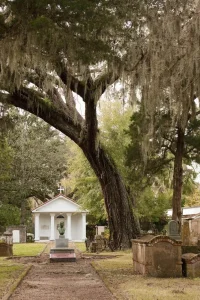
A cemetery office in 2026 still runs on a ledger, a phone and a spade. What has changed is everything sitting around those three things, and how much a small operation can now do without hiring anyone.
Here is where technology earns its place in cemetery work, and where it wastes your money.
Records management
Paper registers fail in two ways. They burn, and they become unreadable when the person who understood the handwriting retires. Digitising a register protects the record and makes it searchable, which serves families and cuts your call volume.
Dedicated cemetery management software handles interments, rights ownership, plot inventory and section mapping with an audit trail. Small volunteer cemeteries sometimes start with a well structured spreadsheet, which is fine as a first step provided somebody backs it up somewhere other than one laptop.
Public facing search
Once records exist as data, a website turns them into a service. Families find graves without ringing you. Genealogists work through the register at midnight. Funeral directors check availability before they call.
The office benefit lands quickly. Cemeteries we work with across Australia, the UK and the United States report a noticeable drop in routine location enquiries within the first few months.

Mapping
GPS surveying of plots costs more than most small cemeteries expect, and delivers most of its value to larger grounds with sales inventory to manage. For a rural cemetery, a clear labelled section map, photographed from the gate with walking directions, does ninety percent of the job for almost nothing.
Spend the surveying money if you sell plots at volume and need accurate availability. Skip it if you have four sections and a caretaker who knows every row.
QR codes on memorials
Families ask about these. Be honest with them about the lifespan. A code etched on granite outlives the company hosting the page behind it, and dead links on headstones are a poor legacy. If you offer this, host the pages on your own domain and commit in writing to a defined period.
Online payments and bookings
Taking a deposit or a maintenance fee online saves your treasurer a trip to the bank. Full plot sales through a checkout suits almost nobody, because those conversations need a person. Aim for payment of known invoices, not sales automation.
Live streaming of services
Uptake grew during the pandemic and stayed. Relatives who cannot travel watch from another country. A camera, a tripod and a private link covers it. Chapels with poor wifi should test before promising anything to a family.
What to skip
- Virtual reality tours. Impressive in a demo, unused by families.
- Chatbots. Sensitive conversations do not belong with an automated responder.
- Apps. A mobile website does everything an app would, and nobody downloads an app to visit a grave twice a year.
- Blockchain memorial registries. Sales pitches for these reach cemetery boards regularly. Ignore them.
Deciding what your cemetery needs
Two questions sort most decisions.
Does this reduce work for a volunteer or an office of one? Records digitisation and online search pass. Most other things do not.
Will this still work in ten years without us paying someone every month? Owning your website and your data passes. Subscription platforms holding your records hostage do not.
The order that works
- Photograph the paper register
- Get the records into structured data
- Build a website that publishes hours, fees, directions and a grave search
- Add a section map families can use on a phone
- Consider payments, streaming and mapping once the basics run
Cemeteries that follow this order spend less and get more. Cemeteries that start at step five buy a mapping system nobody uses because the records behind it never went in.
Working out where to start?We advise cemeteries on the website side, and tell you plainly when the answer is not a website at all.